Is It Okay to Contact the Seller's Agent on a Moorpark Property?
The agent named on the sign expects calls from people like you, but knowing whose side that agent is on changes what you should say.
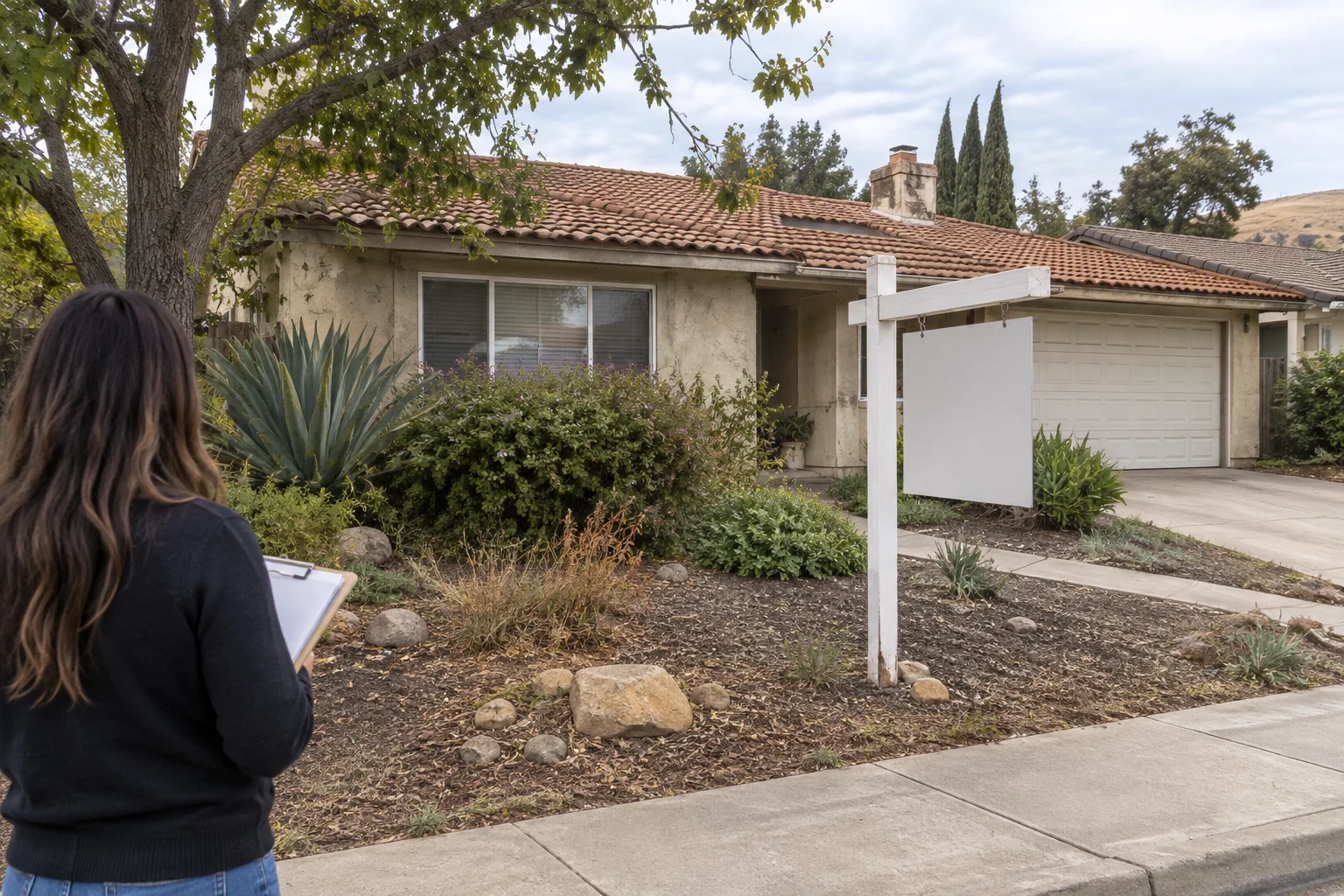
Is it okay to contact the seller's agent?
Yes. Calling the seller's agent is normal and legal, and it is often the fastest way to learn whether a property is still available, when you can see it and what the seller expects. Remember that this agent works for the seller, so anything you share about your budget or deadline can reach them.
Who does the seller's agent actually work for?
The seller's agent has signed an agreement with the seller and owes that seller fiduciary duties: loyalty, confidentiality and a duty to get the best terms they can. In California, every agent must give the people they deal with a written agency disclosure that spells out who represents whom. If you have not seen that form yet, ask for it early so the roles are clear from the first conversation.
That does not mean the seller's agent can mislead you. California law requires agents to deal honestly with everyone in the deal and to disclose known facts that materially affect the value or desirability of a property. On one-to-four unit residential sales, the seller's agent must also do a reasonable visual inspection of the accessible areas and report what they see. So you can expect straight answers about the property itself, just not advice on how to beat the seller on price.
What to ask, and what to keep to yourself
Treat the first call as fact-finding. Ask about the property and the seller's process, and hold back the details that set your negotiating position. Anything you say may be passed along, because passing it along is part of the agent's job.
- Ask: Is the property still available, and are any offers already in hand?
- Ask: Is there an offer deadline, and how will offers be reviewed?
- Ask: Are inspection reports or seller disclosures ready to review before an offer?
- Ask: What closing timeline does the seller prefer?
- Keep private: the top price you would pay, how badly you want this particular property, and how soon you must move.
- Keep private: whether your current lease ends soon or another deal fell through.
Can the same agent represent both sides in California?
California allows dual agency, where one agent or brokerage represents both the seller and the buyer, but only with written consent from both. In that setup the agent cannot tell the seller that you would pay more than your offer, and cannot tell you the seller would take less, without express permission. What you lose is someone pushing hard for your terms alone.
Rules changed in August 2024 as well. Agents who help buyers tour property now generally need a signed written agreement first, and that agreement states how the agent is paid. If the seller's agent offers to show you the property as your own agent, read that agreement closely before you sign, and ask what it commits you to and for how long.
How the timeline works once you make contact
Most of what happens after that first call runs on dates, and missing one can cost you the property. Agents usually confirm tour windows within a set block of time, sellers sometimes set an offer review date, and once an offer is accepted the standard California purchase agreement gives the buyer 17 days by default to finish investigations and remove contingencies unless the parties write in a different number.
Escrow then runs to the closing date both sides agreed on. Loan approval, appraisal scheduling and inspection availability are the usual causes of slippage, especially in busy spring and summer months around Moorpark and Simi Valley when inspectors and appraisers book out further. Write every deadline down the day the offer is accepted, and ask whoever represents you for a calendar of dates rather than a general estimate.
That is how we work on both sides of a sale. We give realistic windows for each step, tell you when a date moves and why, and lay out what the new date does to everything after it. Plans change in real estate; what matters is hearing about it early enough to adjust.
When it makes sense to bring your own agent
If you are only gathering facts, calling the seller's agent directly is fine. Once you are ready to make an offer, having someone who represents only you helps with pricing, contingency dates and repair requests. Our buyer representation covers properties in Moorpark and nearby areas such as Thousand Oaks and Camarillo.
If you are on the other side, selling and fielding these calls yourself, our seller's agent service handles them so your timeline and bottom line stay protected. Sellers who would rather skip tours entirely can ask about a cash offer, including our Guarantee cash offer program, and sell as-is with no repairs.
More questions about contacting a seller's agent
Does calling the seller's agent commit me to anything?
No. A phone call or a question by itself creates no obligation. Commitments start only when you sign something, such as a written agreement to tour with that agent or a purchase offer.
Can I skip the agent and contact the seller directly?
You can, but once a seller has hired an agent, most will send you right back to that agent. Going around them rarely speeds things up and can leave important terms undocumented.
Will the seller's agent help me negotiate a lower price?
Not on your behalf. Their duty is to the seller, so they may explain the process and share facts about the property, but they will not coach you on how to pay less.
Can I see the seller disclosures before I make an offer?
Ask. California sellers must deliver disclosures during the sale, and many have them ready early. Reviewing them before you write an offer can shape your price and your contingency dates.
Get a clear plan before you make your next move
One phone call gets you help buying or selling, a confidential valuation of a property you own, or a cash offer, along with a realistic calendar of dates you can plan around.